
Why Building Trust with Your Doctor Matters for Better Outcomes
When you walk into an exam room, you are bringing more than just physical symptoms. You bring your history, your anxieties, your lifestyle, and your hopes for the future. For many patients, a visit to the doctor is viewed as a transaction: you list your symptoms, and the physician provides a prescription. However, decades of medical research and clinical practice tell us that the most effective healthcare is not transactional. It is relational.
At the heart of excellent Internal Medicine is the partnership between the provider and the patient. Building trust with your doctor is not merely a nice-to-have emotional bonus. It is a clinical necessity that directly influences how well you manage illness and how healthy you remain over time.
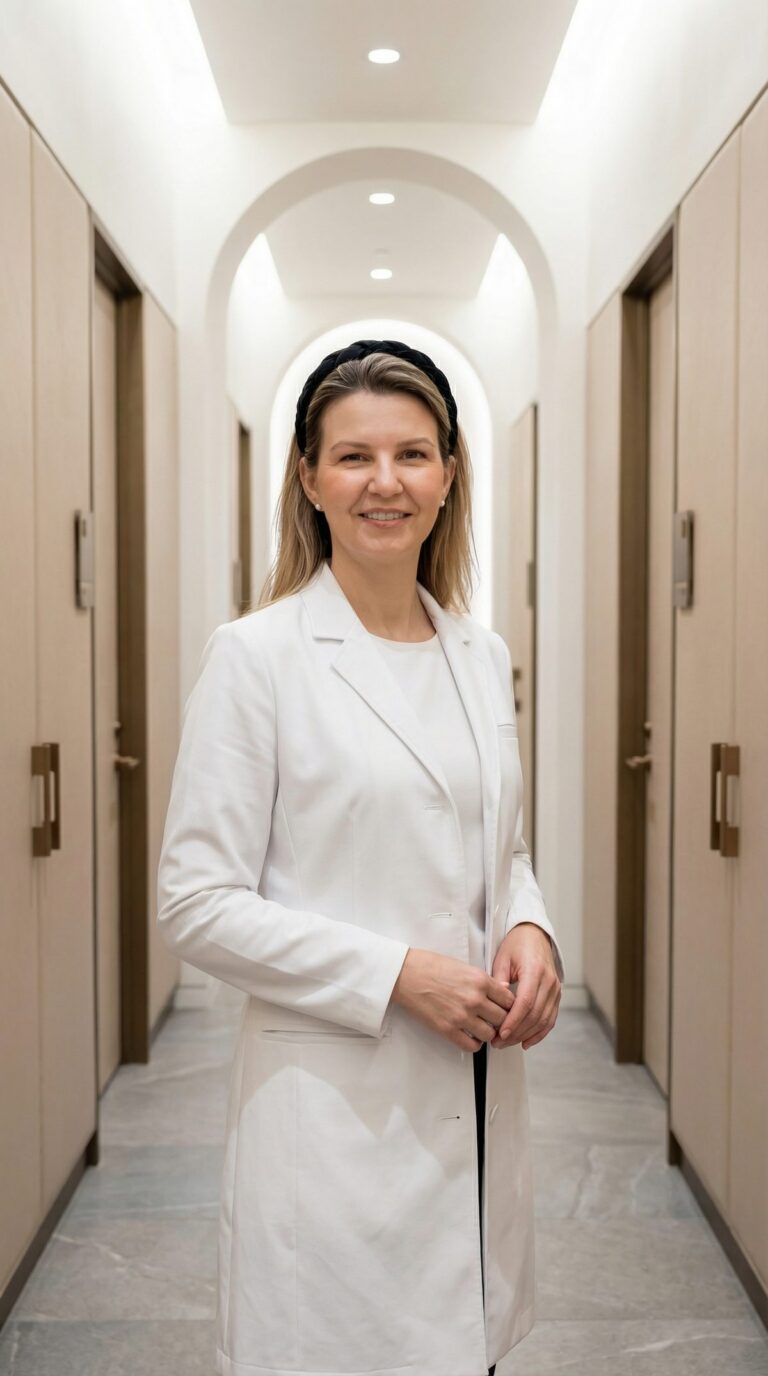
As an Internal Medicine physician at Kelsey-Seybold Clinic in Sugar Land, I have seen firsthand how a foundation of mutual respect and openness transforms health trajectories. When patients feel safe, heard, and understood, we can achieve results that medication alone cannot deliver.
The Science Behind the Patient-Physician Relationship
Trust is an intangible quality, but it has tangible effects on your body. Research consistently shows that patients who report high levels of trust in their clinicians experience better health outcomes, greater satisfaction, and more effective management of complex conditions. But why does this happen?
Honest Communication Leads to Accurate Diagnosis
A diagnosis is only as good as the information provided. If you feel judged or rushed, you might hesitate to mention that extra glass of wine, the skipped doses of medication, or the supplement you bought online. These details are often the missing puzzle pieces in complex medical cases. When you invest in building trust with your doctor, the fear of judgment fades. You become comfortable sharing the full picture of your life. This transparency allows me to make accurate diagnoses faster and avoid unnecessary testing.
Adherence to Treatment Plans
The best treatment plan in the world is useless if a patient does not follow it. Research shows that patients are significantly more likely to adhere to medical advice when they trust the source. If you believe that your physician has your best interests at heart and truly understands your challenges, you are more inclined to follow through with recommended lifestyle changes or therapies. For individuals managing long-term conditions like diabetes or hypertension, this is critical. These conditions require daily self-management and consistent monitoring. A trusting relationship fosters the psychological safety that encourages patients to ask questions, voice concerns, and stay engaged with their care plan.
Reduced Anxiety and Better Healing
The psychological state of a patient impacts their physical recovery. High anxiety increases cortisol levels, which can impede healing and elevate blood pressure. A trusting relationship acts as a buffer against this stress. Knowing you have a competent advocate in your corner provides a sense of safety that can improve your immune response and lower pain perception. This is not abstract theory. It is measurable physiology.
What a Trusting Medical Relationship Looks Like
Trust is a two-way street. It is not just about you trusting me with your health. It is about me trusting you to be an active partner in your care. In my practice at the Fort Bend Campus, I strive to cultivate an environment where this exchange can flourish.
Active Listening and Empathy
You should never feel like just a number on a chart. A trustworthy physician practices active listening, hearing not just what you say but what you do not say. It involves understanding the context of your life. If I am treating a patient for hypertension, I need to know if they are also caring for an aging parent or dealing with high stress at work, because these factors directly impact blood pressure management. Demonstrating empathy, acknowledging fears, validating concerns, and showing care for your life outside the exam room, is not optional. It is essential to building the rapport that makes the whole partnership work.
Competence and Quality Care
Trust is also built on the assurance of competence. Patients need to know their doctor is current with the latest medical guidelines. My background, including my residency at Albert Einstein College of Medicine and my work in quality improvement, drives my commitment to evidence-based practice. Whether we are managing diabetes or navigating an infectious disease, my goal is to apply the highest standards of medical science to your specific situation. When a physician admits uncertainty but follows up with accurate information, it often strengthens trust rather than weakening it. Honesty signals that the provider prioritizes accuracy over ego.
Shared Decision-Making
Gone are the days of the paternalistic model of medicine, where the doctor gives orders and the patient obeys. Modern Internal Medicine thrives on shared decision-making. This means we look at the options together. I provide the medical expertise, outlining the risks and benefits of a treatment. You provide the expertise on your life, your values, and your preferences. Together, we choose a path. Building trust with your doctor means you feel empowered to say, “I am not sure I can manage that side effect,” or “Is there a non-drug alternative we can try first?”
Overcoming Barriers to Trust
Despite best intentions, barriers arise. The healthcare system can be complex, and appointments can feel brief.
The White Coat Effect
Many patients experience immediate anxiety in a clinical setting. This can cause blood pressure spikes and memory lapses regarding questions they wanted to ask. If you feel this way, tell me. Acknowledging the anxiety is the first step to managing it. We can take a moment to breathe, slow down, and ensure you feel grounded before proceeding.
Cultural and Personal Differences
Every patient comes from a distinct cultural background that influences their view of health and healing. As a physician who has practiced across two continents, I am deeply committed to cultural humility. If you have specific cultural or religious preferences regarding your care, voicing them helps me treat you more effectively. A strong relationship bridges these gaps, ensuring your care respects your identity.
Time Constraints
In a fast-paced healthcare environment, time is scarce. But the perception of time matters. Even within a standard appointment window, focused attention makes a significant difference. Putting away distractions, maintaining eye contact, and allowing silence for you to gather your thoughts can transform a rushed visit into a meaningful one.
How You Can Actively Build Trust with Your Doctor
While physicians bear the responsibility of creating a safe environment, you can take specific steps to strengthen this partnership.
Come prepared and prioritize. Bring a written list of your top concerns. If you have five issues, identify the top two that are most affecting your quality of life. This focus allows us to have a deeper, more meaningful conversation rather than a rushed overview.
Ask “why.” If I recommend a new medication or a screening test and you do not understand the reasoning, ask. Understanding the rationale behind a treatment is important for trust. I want you to feel confident that every recommendation is tailored to your long-term wellness.
Be honest about non-compliance. If you did not take your medication, tell me. I will not be upset. My job is not to police you. It is to help you. If you stopped a medication because of cost or side effects, that is vital information. We can find alternatives, but only if we have an honest dialogue.
Commit to continuity. Building trust with your doctor takes time. It is a cumulative process. Seeing the same Internal Medicine physician for your annual wellness exams, sick visits, and chronic disease management allows that physician to spot subtle changes in your health that a stranger might miss. This longitudinal care is the gold standard for preventing serious illness.
Provide feedback. If a treatment is not working or you have side effects, communicate this promptly. Let me know what aspects of your care worked well. This feedback loop is invaluable for refining your plan and deepening trust over time.
The Role of Internal Medicine in Your Long-Term Health
Internal Medicine physicians are often called doctors for adults. We specialize in the prevention, diagnosis, and treatment of adult diseases. But really, we specialize in you.
When you have a doctor who knows your baseline, who knows that your blood pressure normally runs a little low, or that you prefer to try lifestyle changes before medication, you are safer. You are less likely to undergo unnecessary procedures and more likely to catch serious issues early.
Moving Forward Together
Healthcare is a journey, not a destination. There will be times when we celebrate improved lab results, and times when we have difficult conversations about new diagnoses. Through all of it, the foundation we build today will support your health tomorrow.
If you have felt unheard in the past, or if you are looking for a physician who views you as a partner rather than a chart, I invite you to start that conversation. Building trust with your doctor is not just something that feels good. It is the smartest medical decision you can make.
Your health is your most valuable asset. Entrust it to a partnership that values you.
—
Medical Disclaimer: This article is for informational purposes only and does not constitute medical advice. Always consult with a qualified healthcare provider for personalized medical guidance. To schedule an appointment with Dr. Vuslat Muslu Erdem, call (713) 442-9100.