Why I Combine Internal Medicine with Holistic Care for Better Health
When you walk into a doctor’s office, you bring more than just a list of physical symptoms. You bring your history, your daily stressors, your diet, your emotional well-being, and your environment. Yet in the rush of modern healthcare, patients often feel their care is fragmented, viewed as a collection of organs rather than a complete human being.
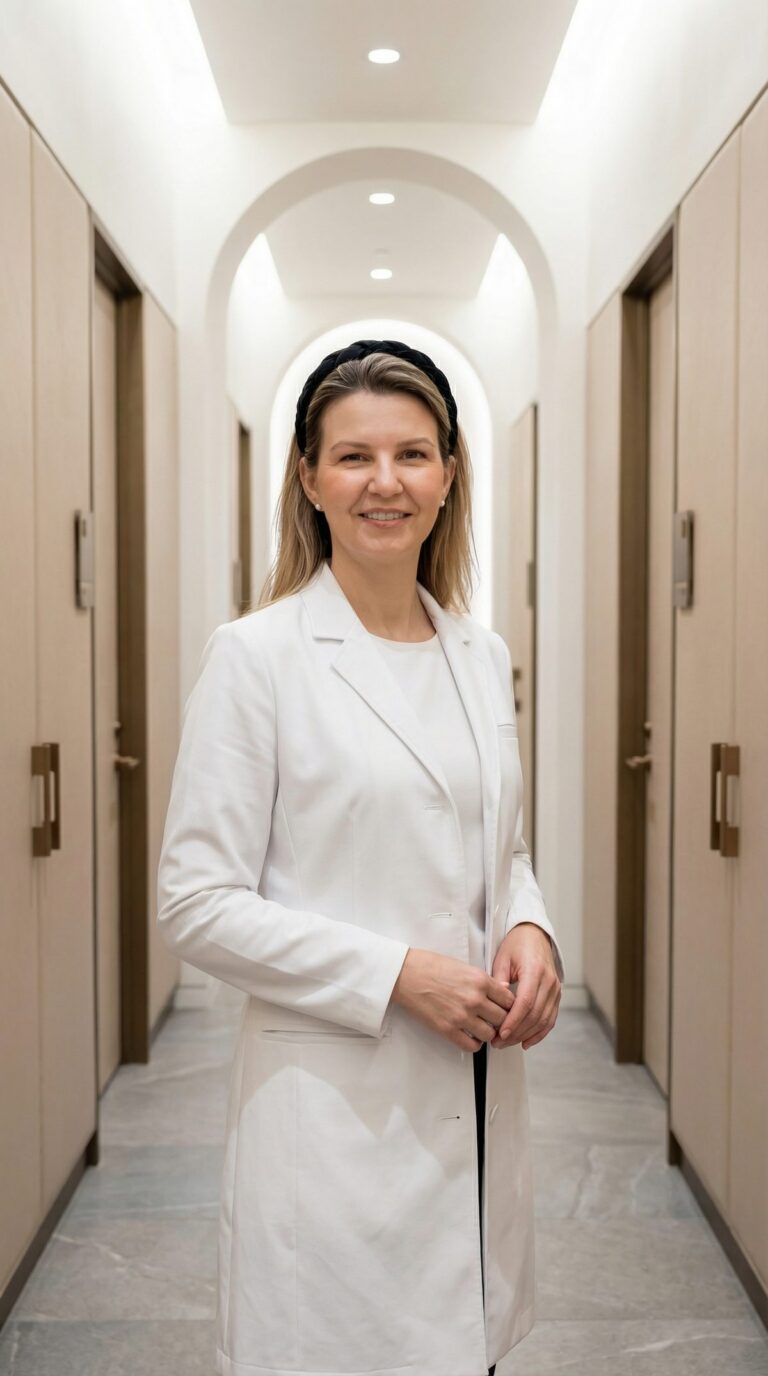
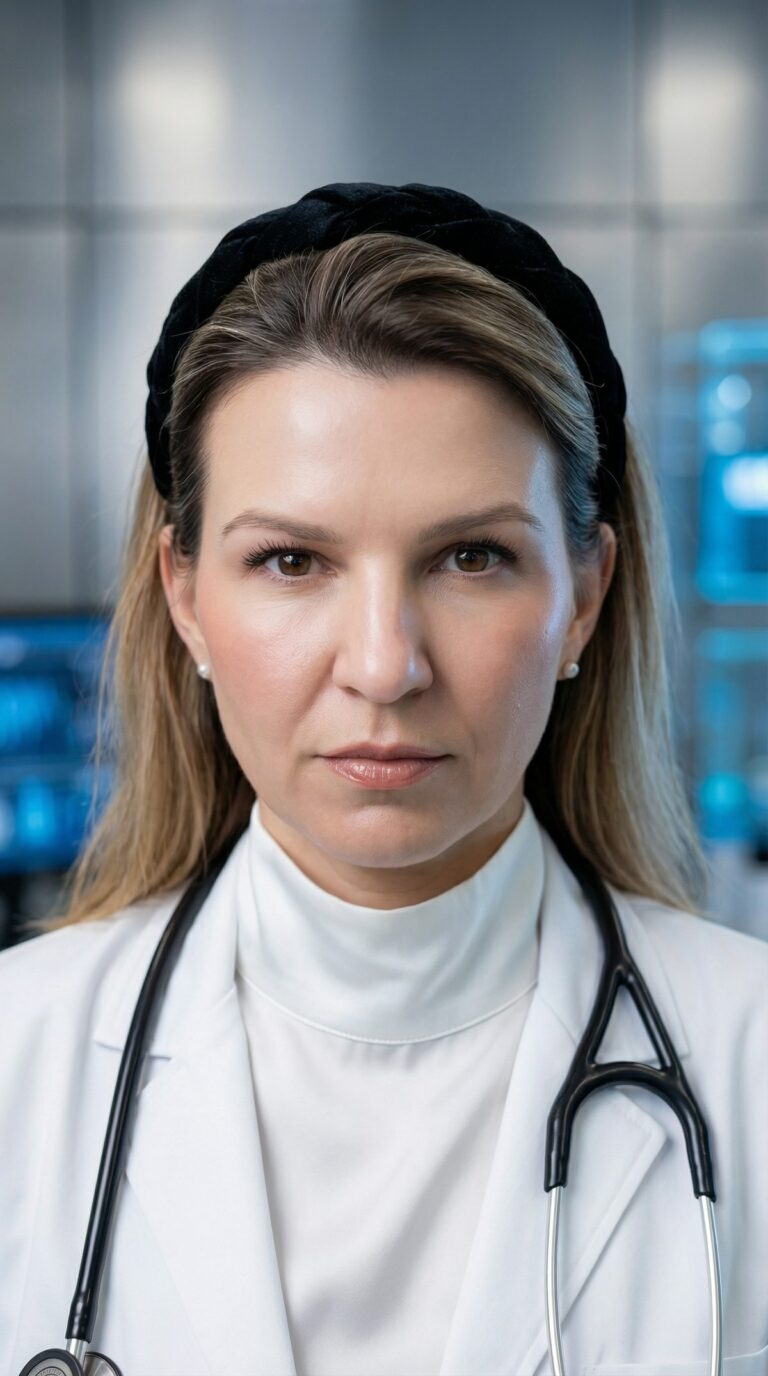
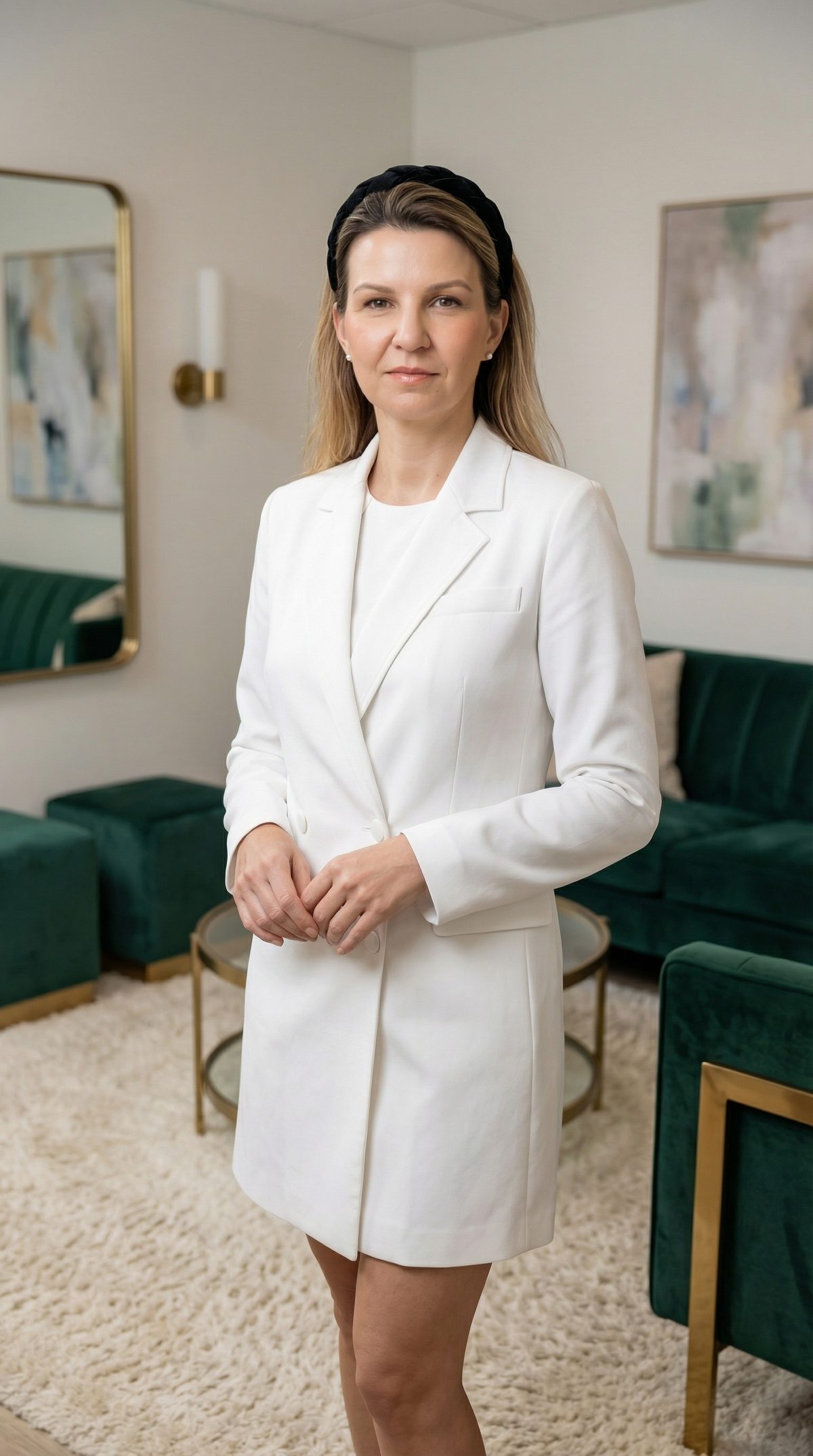
As a board-certified Internal Medicine physician at Kelsey-Seybold Clinic in Sugar Land, I believe effective healthcare requires a broader lens. My practice is built on a philosophy that might seem distinct but is actually deeply interconnected: combining Internal Medicine with holistic care.
Many patients ask me, “Dr. V, what does that actually mean?” Does it mean abandoning science? Absolutely not. It means using the rigorous, evidence-based tools of Internal Medicine to diagnose and treat conditions, while simultaneously applying holistic principles to understand why those conditions occurred and how to prevent them from returning.
The Intersection of Science and the Whole Person
Internal Medicine is often called the detective work of the medical field. We are trained to solve complex diagnostic puzzles, manage chronic illnesses, and understand how different body systems interact. I spent years honing these skills, earning my medical degree from Uludag University and completing my residency at the Albert Einstein College of Medicine in New York.
However, science alone cannot always explain why a patient with well-managed blood pressure suddenly spikes, or why a treatment plan that works for one person fails for another. This is where holistic medicine bridges the gap.
A holistic approach considers the physical, emotional, social, and spiritual well-being of an individual. By integrating Internal Medicine with holistic care, I do not just look at the clinical data. I look at the person behind the data. I strive to understand your lifestyle, your stress levels, and your personal goals. This allows us to create a treatment plan that is not only medically sound but also sustainable for your real life. The World Health Organization defined health decades ago as a state of complete physical, mental, and social well-being. My goal is to practice medicine that lives up to that definition.
Beyond Symptom Management: Treating the Root Cause
One of the greatest frustrations patients face is the “pill for every ill” cycle. You have a symptom, you get a medication, and you go home. While pharmaceuticals are vital and often life-saving tools in my kit, they are rarely the only answer.
In my practice at the Fort Bend Campus, I focus heavily on chronic disease management, specifically conditions like diabetes and hypertension. These are physiological conditions, yes, but they are deeply rooted in lifestyle and mental health.
The Mind-Body Connection in Chronic Disease
We cannot talk about blood sugar or heart health without talking about the mind. Research consistently shows a connection between mental health and physical outcomes. Chronic stress elevates cortisol levels, which can worsen insulin resistance and blood pressure. Treating the blood pressure without addressing the stress may yield temporary results, but lasting improvement requires tackling both.
If I treat your high blood pressure but ignore the chronic stress you experience at work, we are only putting a bandage on the problem. By acknowledging this mind-body connection, I can offer better care. This might look like prescribing a necessary antihypertensive medication while also discussing mindfulness techniques, sleep hygiene, or referring you to a behavioral health specialist. This is the essence of combining Internal Medicine with holistic care: using every tool available to ensure long-term well-being.
My Personal Journey Toward Holistic Integration
My dedication to this approach is not just professional. It is personal. Outside of the clinic, I find balance through cooking, traveling, and practicing yoga. These are more than pastimes. They reinforce my understanding of health.
Yoga teaches me the importance of movement and breath in regulating the nervous system. Cooking emphasizes that food is medicine, fuel that can either heal or harm. When I speak to patients about diet or exercise, I am not reading from a textbook. I am speaking from a place of practice and belief.
My experience leading the establishment of a Palliative Care Center in Istanbul profoundly shaped my view of medicine. Palliative care is perhaps the ultimate form of holistic medicine. It requires looking at a patient’s comfort, dignity, and emotional state, not just their lab results. That experience taught me that healing is not always about curing a disease. Sometimes, it is about restoring balance and quality of life. I bring that same compassion and breadth of perspective to my primary care patients in Sugar Land.
The Shift from Disease-Centered to Health-Centered Care
The traditional healthcare model is often reactive: you get sick, and then we try to fix you. Combining Internal Medicine with holistic care shifts this approach. We want to be proactive.
A health-centered model emphasizes characteristics that make a real difference: preventive thinking, precision in treatment, personalized care, and genuine collaboration between doctor and patient. By adopting these principles, we shift the responsibility for health back to the individual, supported by medical guidance. This empowers patients to take ownership of their well-being rather than passively receiving instructions.
During our visits, we discuss:
- Nutrition: Moving away from restrictive diets toward nourishing, whole-food choices that reduce inflammation.
- Movement: Finding physical activities that you actually enjoy, which improves adherence and mental health.
- Sleep: Prioritizing rest as a non-negotiable pillar of metabolic health. Poor sleep disrupts glucose metabolism, worsens insulin resistance, and increases inflammatory markers.
- Screenings: Staying current on cancer screenings and blood work to catch shifts in your health before they become diagnoses.
By focusing on these pillars, we move from managing disease to cultivating wellness.
What to Expect During a Visit with Dr. V
If you are looking for a new primary care physician in Sugar Land, you might be wondering what an appointment looks like.
First, expect to be heard. The cornerstone of holistic care is the patient-physician relationship. I view our time together as a collaboration. I bring the medical expertise, but you are the expert on your own body.
A Comprehensive Evaluation
We will cover the standard internal medicine bases: checking your vitals, reviewing your medications, and examining your physical health. But we will also discuss the environment of your health. I may ask about your sleep quality, your support system at home, or your stress levels. These are not idle questions. They are clinical tools that help me understand why your body is responding the way it is.
Personalized Care Plans
Because every person is a unique combination of genetics and lifestyle, generic advice rarely works. We develop a plan that fits you. If you are struggling with diabetes, we will not just talk about insulin. We might discuss meal prep strategies that fit your work schedule or stress-reduction techniques to help stabilize your glucose levels. If a medication regimen is too complex for your daily routine, we find a simpler alternative. Practicality is key to sustainability.
Empowering You
My goal is for you to leave the clinic understanding not just what to do, but why you are doing it. When you understand the mechanism behind the advice, how sugar affects your energy, how walking lowers your blood pressure, you are more likely to stick with the changes.
Practical Steps for Holistic Wellness
You do not have to wait for your next appointment to start putting these principles into practice. Here are three steps you can take today.
Practice “Food as Medicine”
Start viewing your meals as information for your cells. Focus on adding color to your plate. Antioxidant-rich vegetables and healthy fats like olive oil and avocados are powerful tools for fighting the inflammation that leads to chronic disease. As someone who loves cooking, I encourage you to experiment with herbs and spices. Turmeric, ginger, and garlic have real health benefits and make healthy food delicious.
Move for Your Mind
Exercise is not just about weight loss. It is a natural antidepressant and anxiety reducer. You do not need to run a marathon. A 20-minute daily walk or a gentle yoga session can lower cortisol levels and improve cardiovascular health. Find movement you enjoy, and consistency will follow.
Prioritize the Pause
In our busy lives, we are often in a constant state of fight-or-flight. This chronic stress damages our arteries and immune system. Try to find five minutes a day for silence. Whether it is deep breathing, prayer, or meditation, giving your nervous system a break is a medical necessity, not a luxury.
Partnering for Your Health in Sugar Land
Your health is your most valuable asset, and preserving it requires a partner who sees the full picture. By combining the diagnostic precision of Internal Medicine with holistic care, we can achieve better outcomes, fewer unnecessary interventions, and a higher quality of life.
I am proud to serve the Sugar Land community at Kelsey-Seybold Clinic. Whether you need management for a complex chronic condition, a routine physical, or guidance on preventive wellness, I am here to help you navigate your health journey with compassion and expertise.
Let us work together to treat the whole you.
—
Medical Disclaimer: This article is for informational purposes only and does not constitute medical advice. Always consult with a qualified healthcare provider for personalized medical guidance. To schedule an appointment with Dr. Vuslat Muslu Erdem, call (713) 442-9100.